| Family | Scientific Name | Author | Year | Common Name |
| Catostomidae | Moxostoma breviceps | (Cope) | 1870 | Smallmouth Redhorse |
Moxostoma breviceps
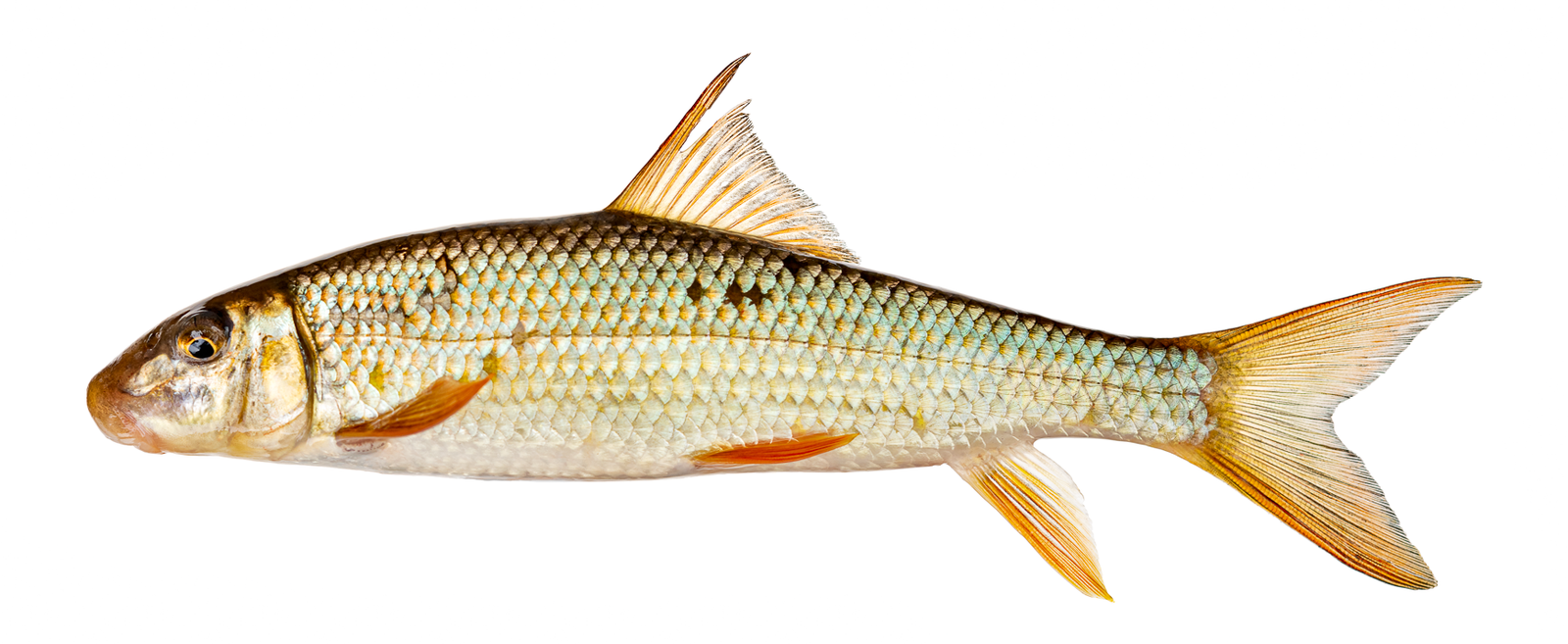
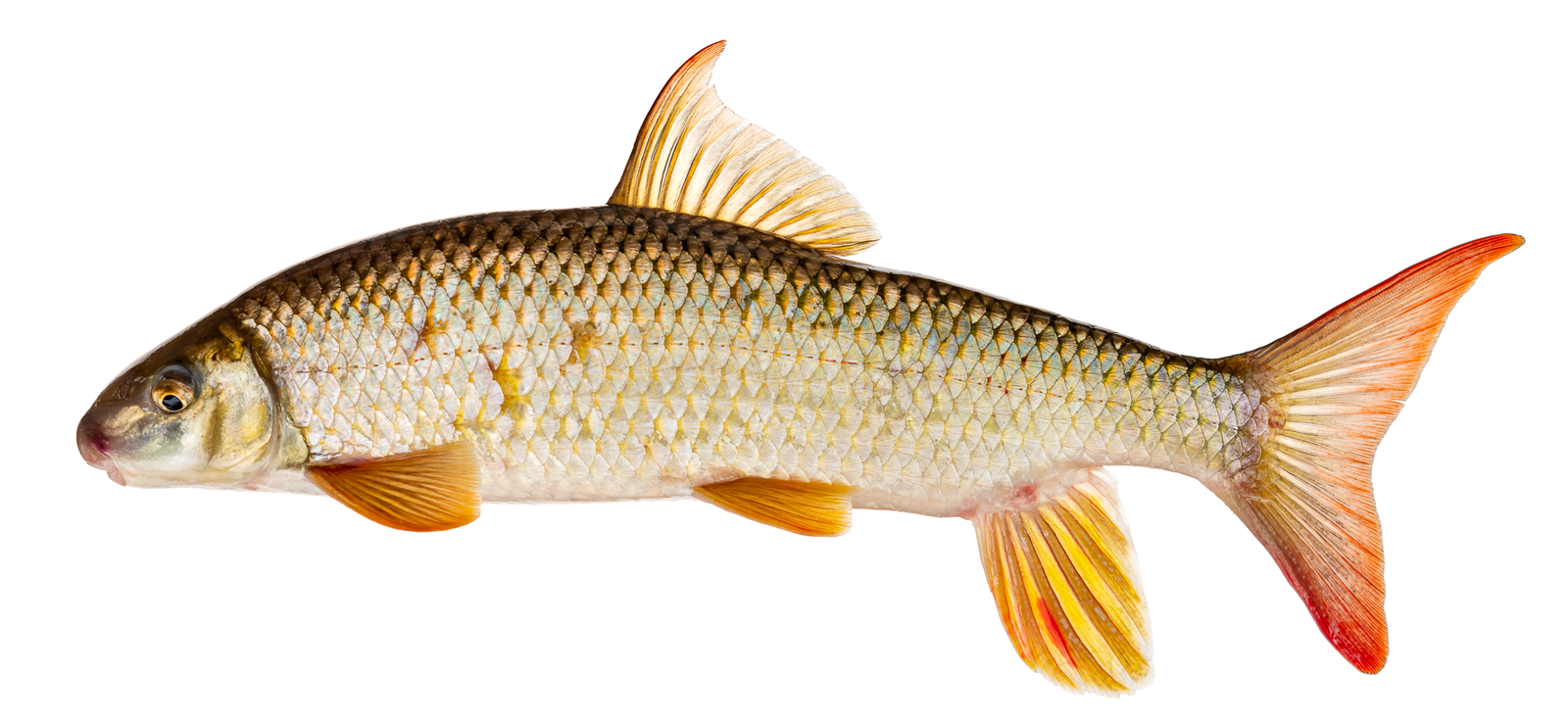
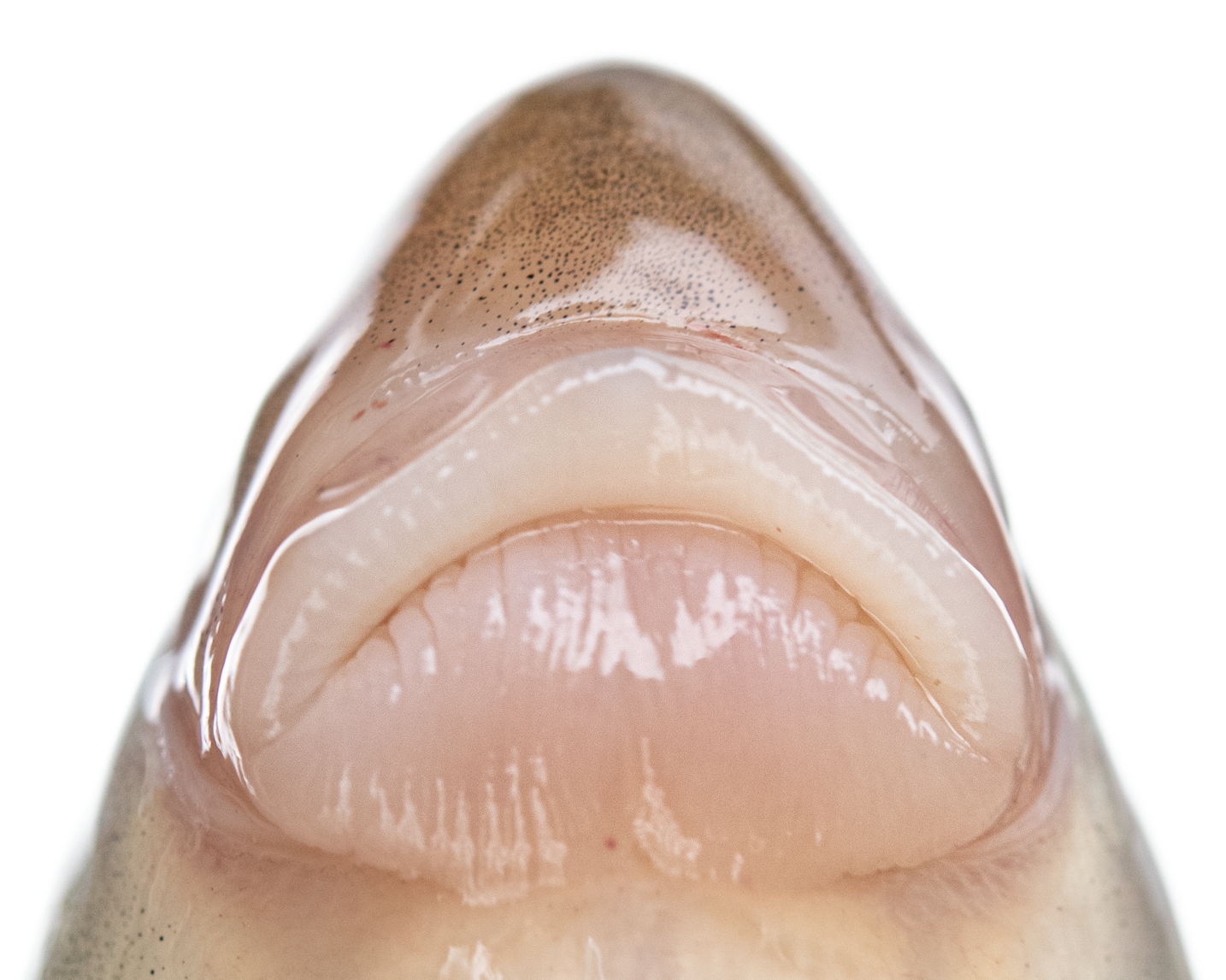
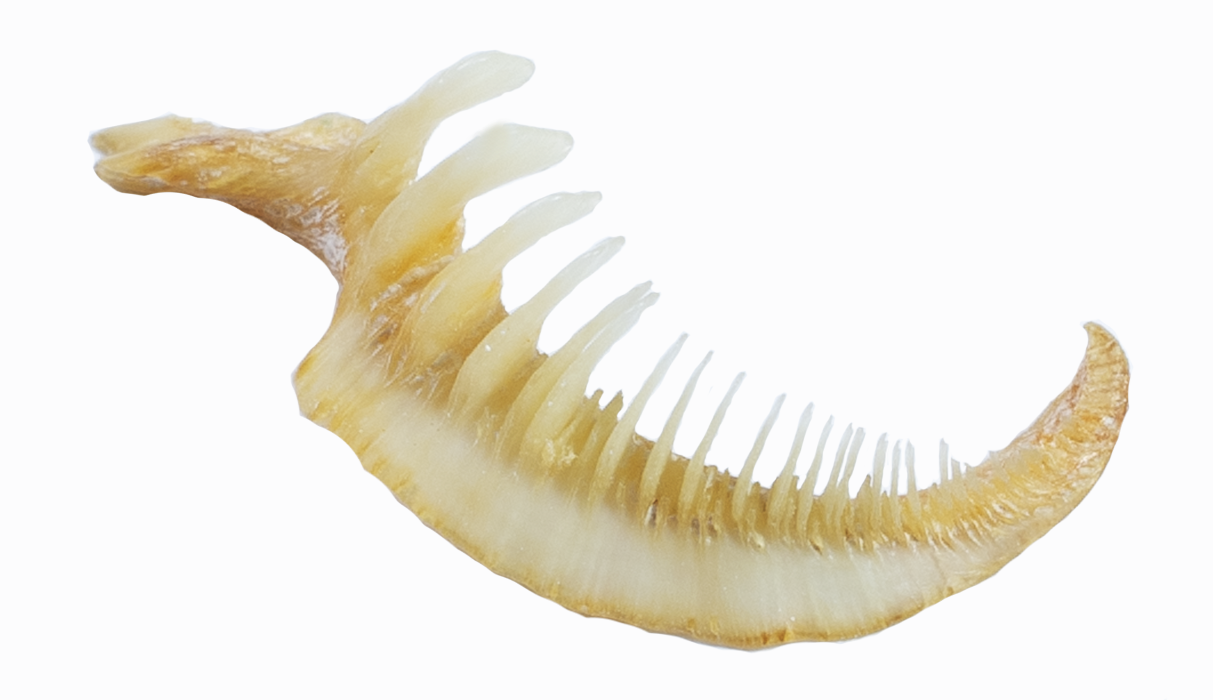
Unique Characters: Upper lip plicate, lower lip subplicate; plicae transected into small to large oval elements. Full-lipped; halves of lower lip mostly fully connected medially. Posterior margin of lower lip usually straight. Dorsal fin margin straight, to moderately falcate, or very falcate. Pharyngeal arch slender; lower teeth thin, comb-like; 12-30 teeth on lower half of tooth row. Caudal and dorsal fins occasionally bright red in life. Snout of breeding males without medium-sized breeding tubercles. Head small and short, length ca. 20% of standard length in large juveniles and adults (Tracy et al. 2024).
Similar Species:
River Redhorse, Moxostoma carinatum
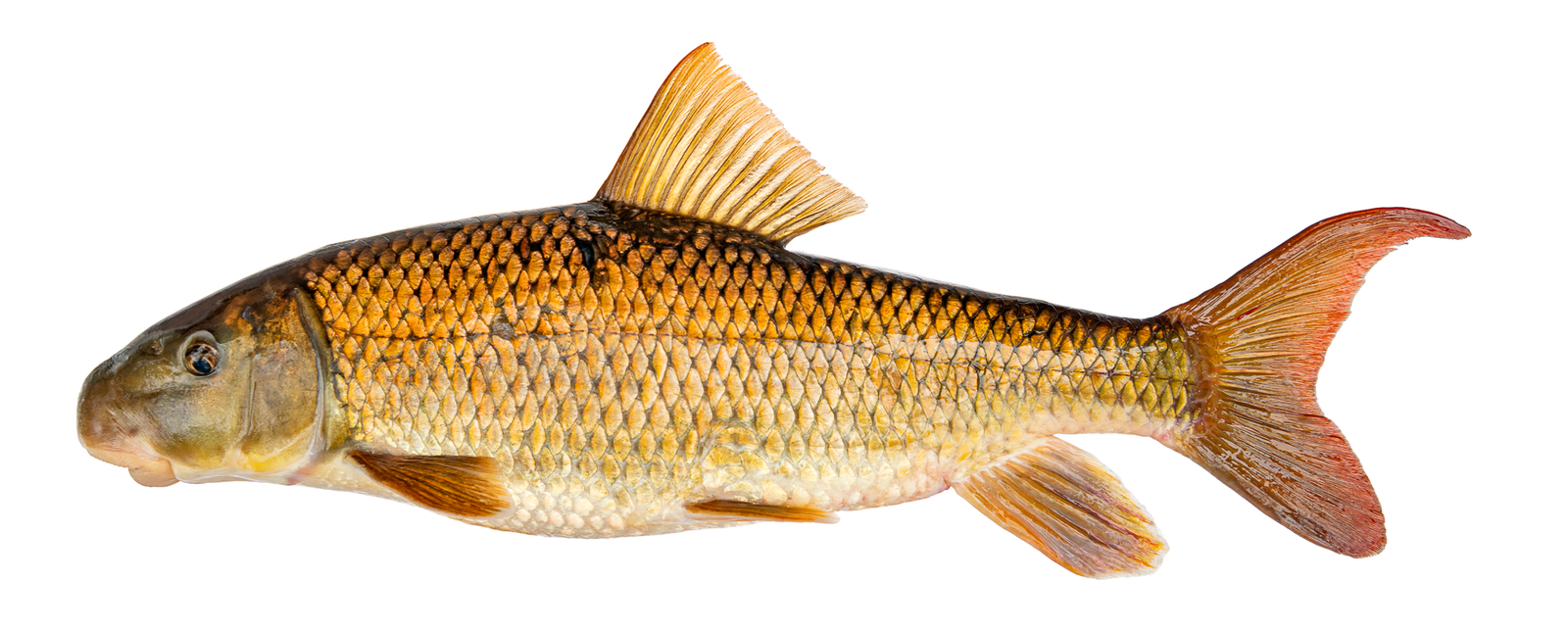
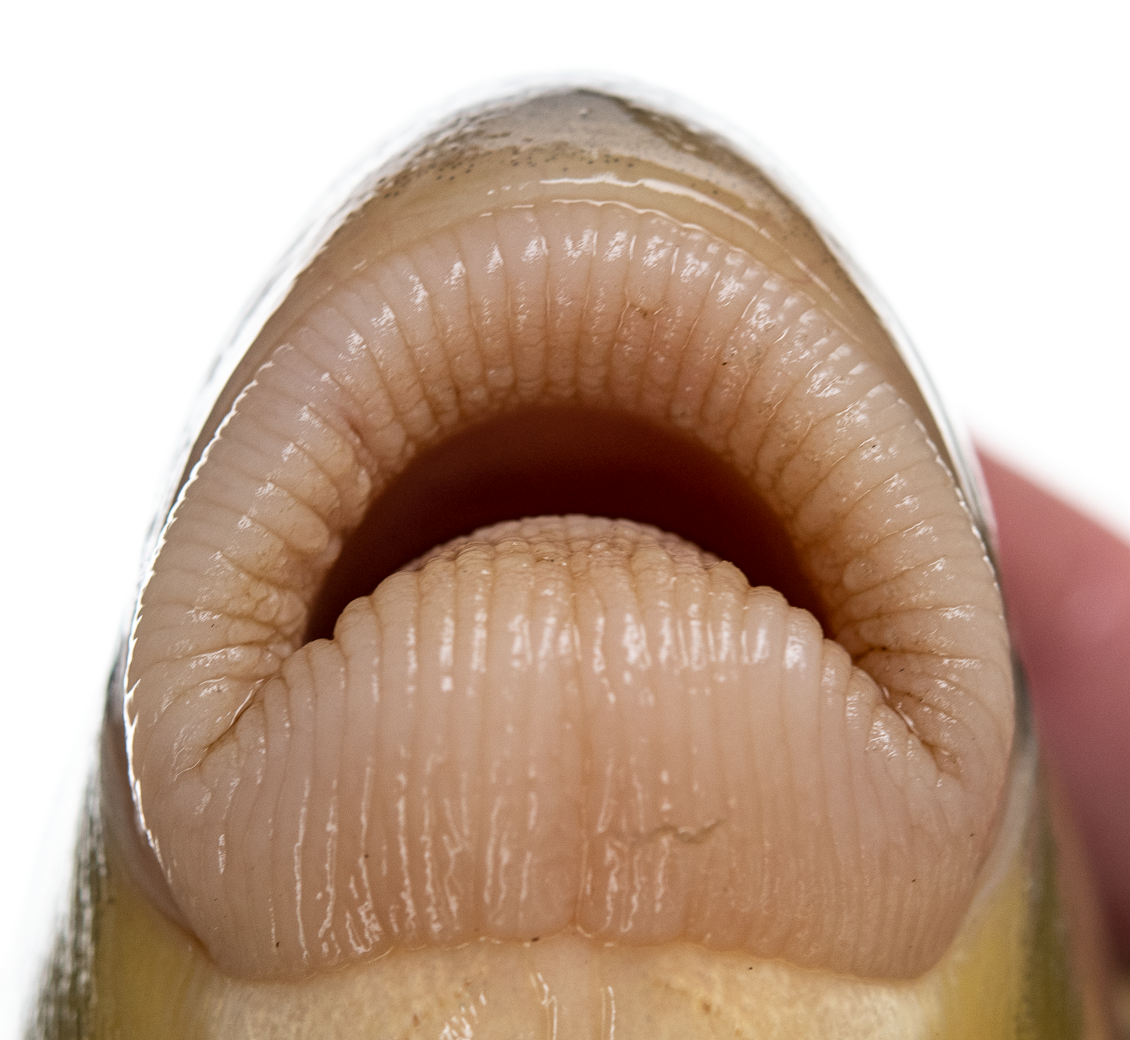
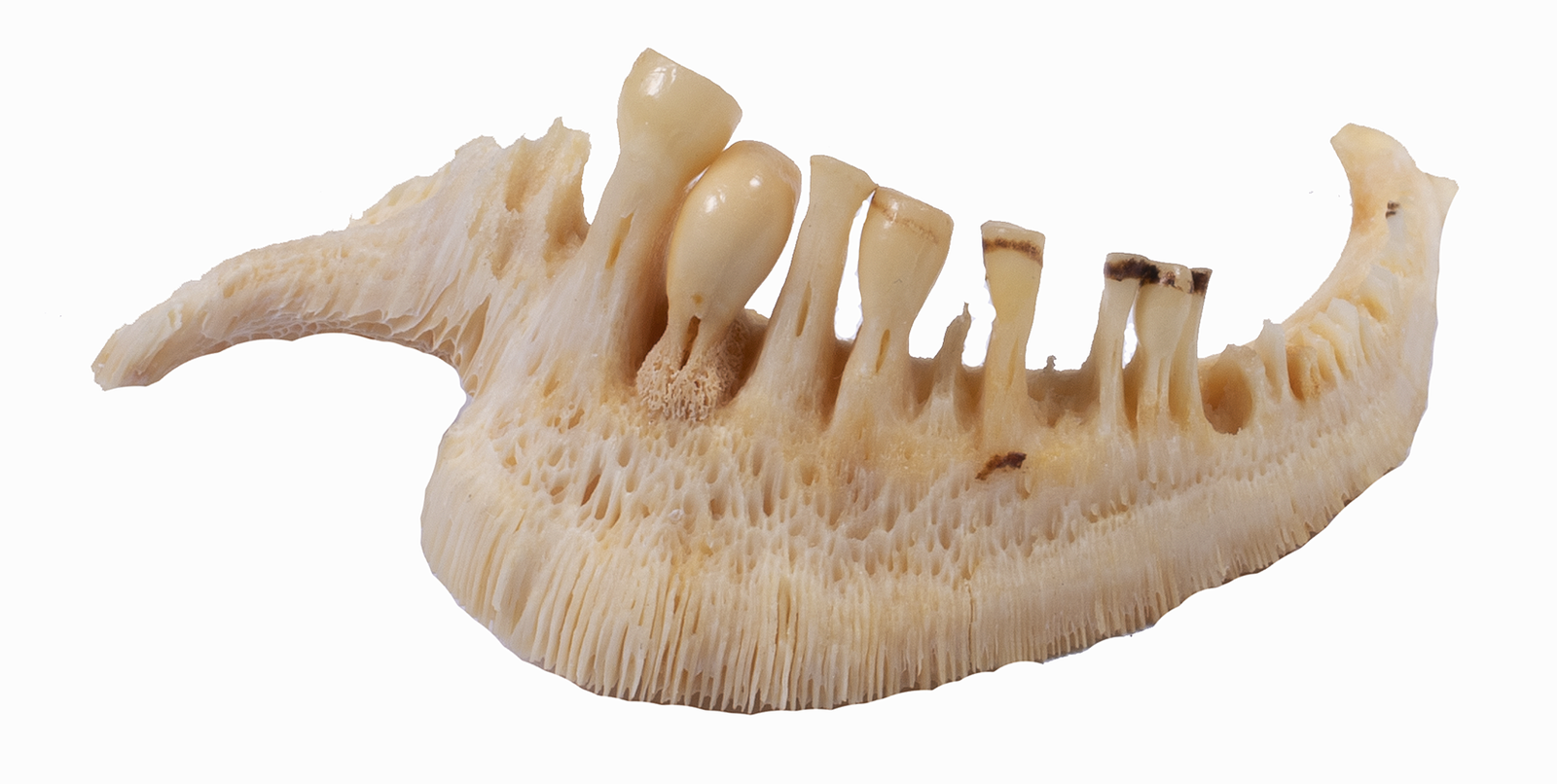
River Redhorse, Moxostoma carinatum. Lips plicate. Full-lipped; halves of lower lip mostly fully connected medially. Posterior margin of lower lip slightly U-shaped to forming a very obtuse angle or an almost straight margin. Dorsal fin margin straight to moderately falcate. Pharyngeal arch stout; lower teeth large, molariform; six to nine teeth on lower half of tooth row. Caudal and dorsal fins bright red in life. (Note: Smallmouth Redhorse, M. breviceps, is the only other redhorse species with bright red dorsal and caudal fins. It has a tiny mouth with the posterior border of the lower lip straight; a moderate to rarely very falcate dorsal fin, and a very slab-sided rather than cylindrical body in cross section.) Snout of breeding males with medium-sized nuptial tubercles (Tracy et al. 2024).
Balck Redhorse, Moxostoma duquesnei
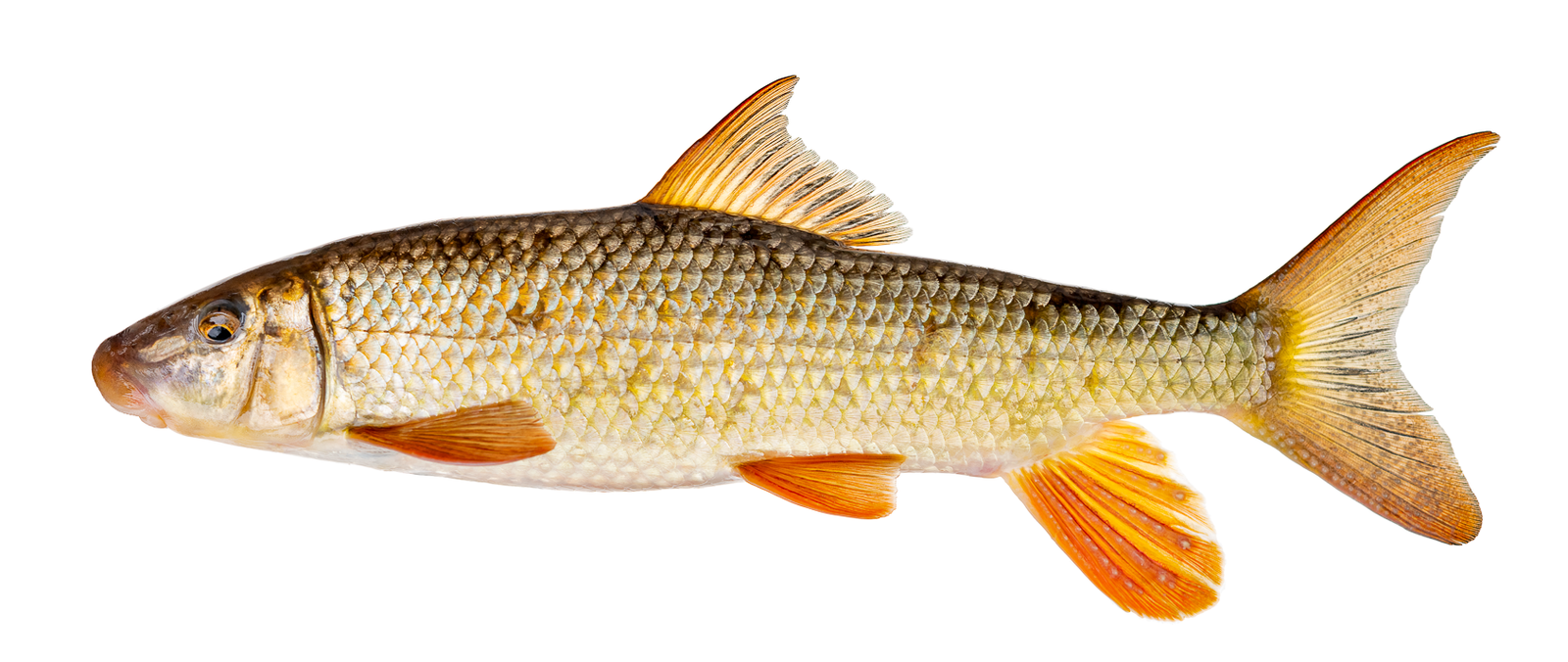
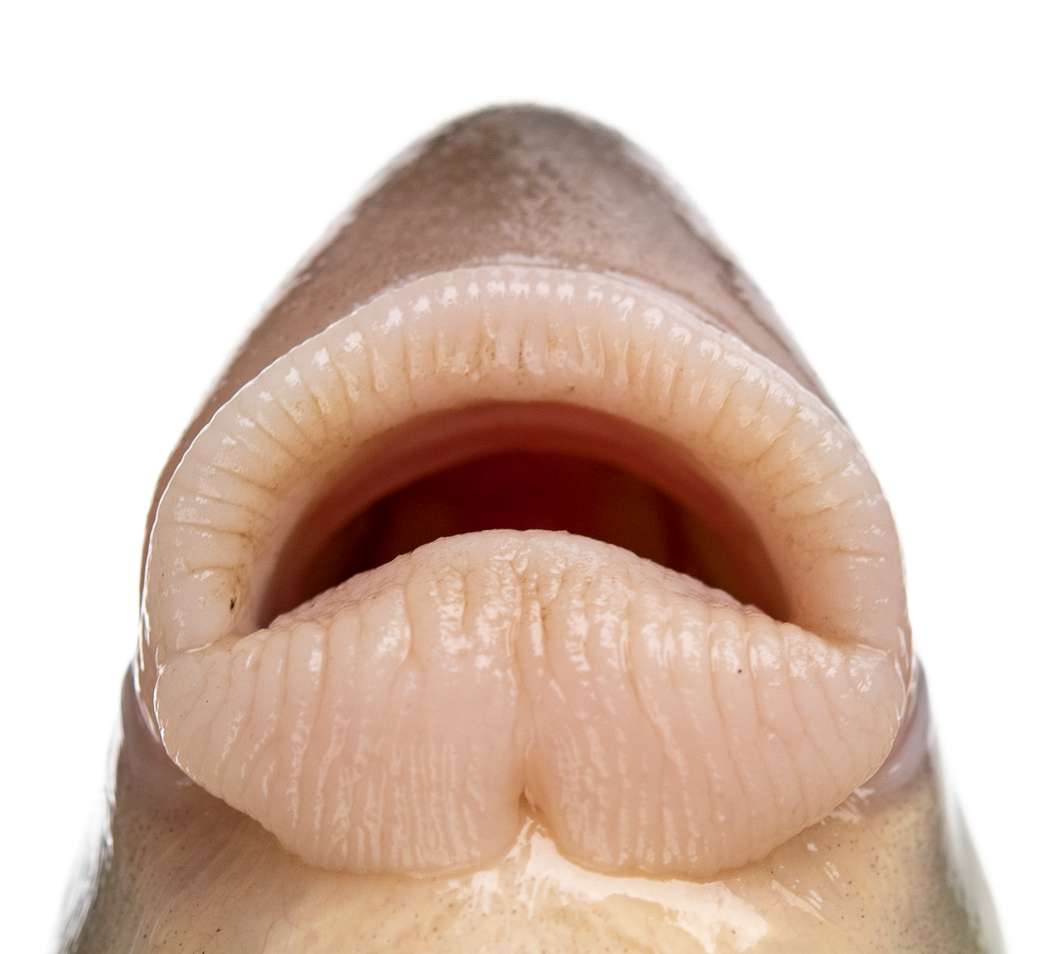
Black Redhorse, Moxostoma duquesnei. Upper lip plicate; lower lip plicate, plicae undissected or corrugated Full-lipped; halves of lower lip mostly fully connected medially. Posterior margin of lower lip slightly U-shaped to straight; angle of posterior edge of lower lip (95º) 120º–160º (175º). Dorsal fin margin straight to moderately falcate. Pharyngeal arch slender; lower teeth thin, comb-like; 12-30 teeth on lower half of tooth row. Caudal and dorsal fins not bright red in life. Snout of breeding males with minute or no nuptial tubercles. Head not small or short, length greater than ca. 20% percent of standard length in large juveniles and adults. Lateral line scales (43) 44–48 (51). Breast with embedded scales, usually with a small scaleless area anteromedially. Pelvic fin rays modally 10 (but modally 9 in the Blue Ridge region of the Tennessee River drainage) (Tracy et al. 2024).
Golden Redhorse, Moxostoma erythrurum – Mississippi River drainage
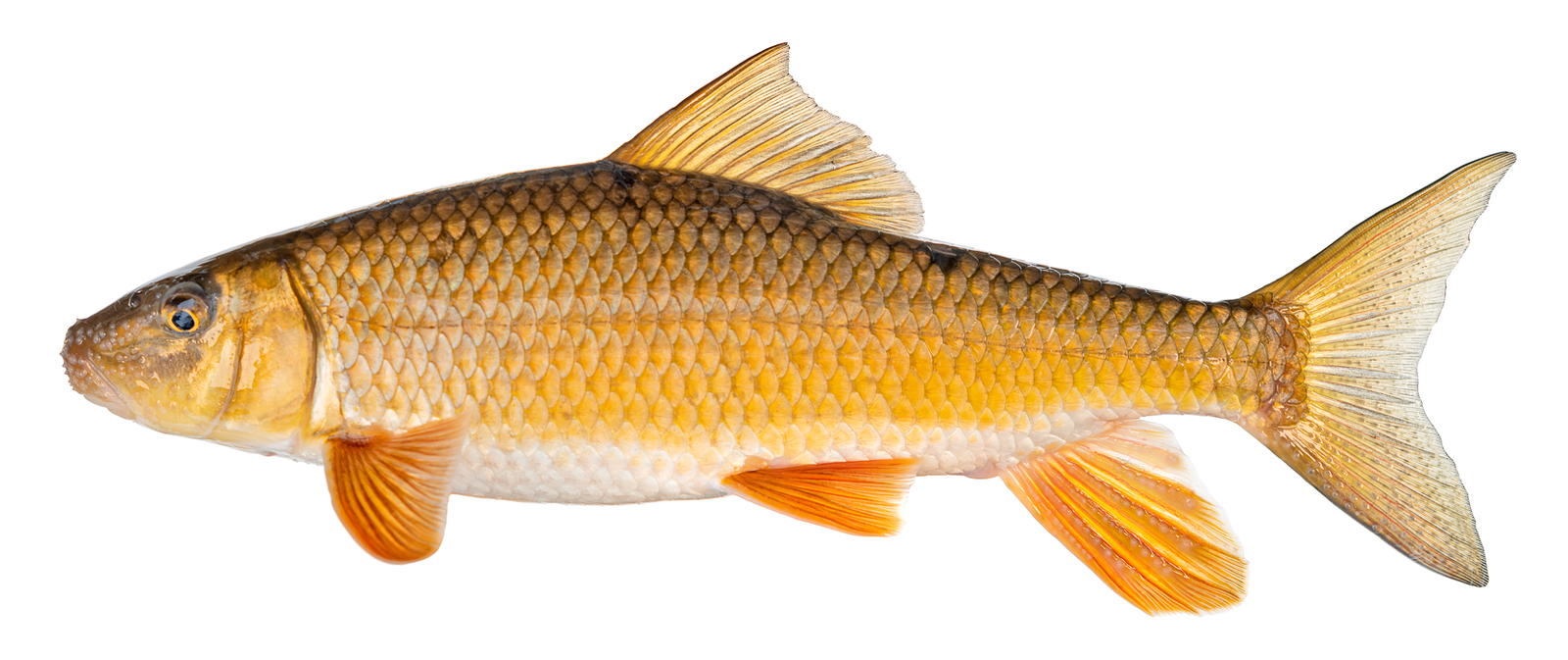
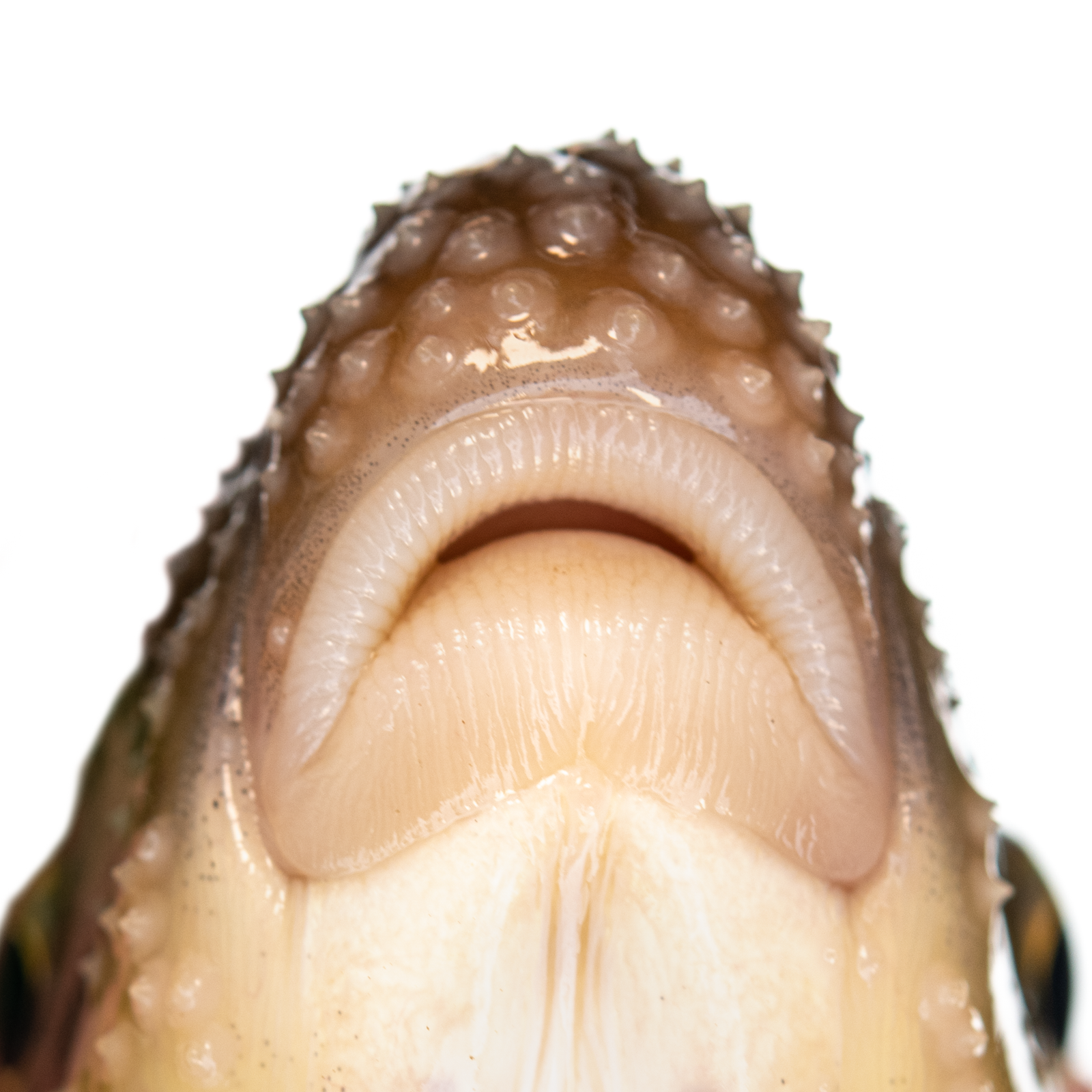
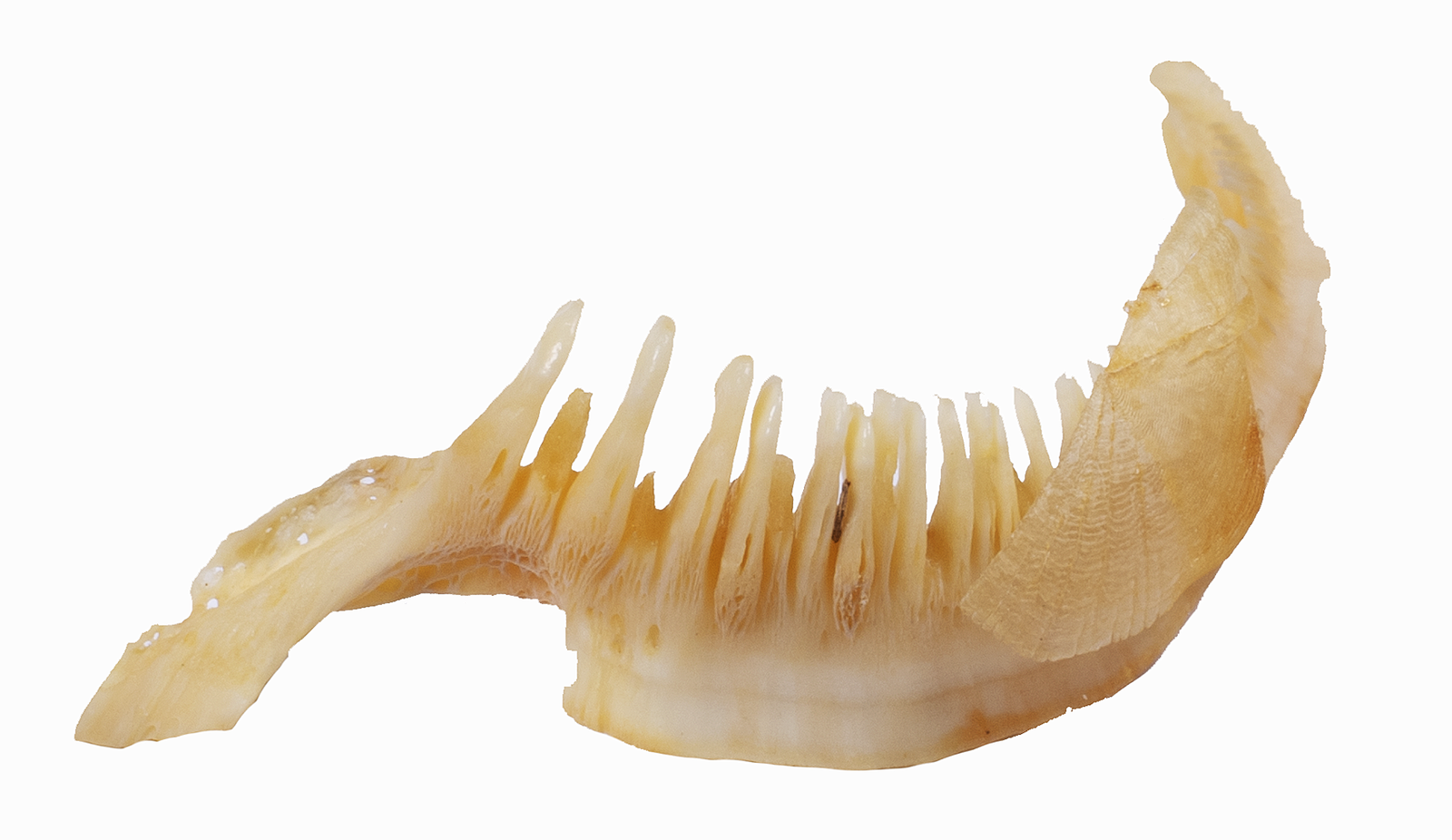
Golden Redhorse, Moxostoma erythrurum – Mississippi River drainage. Upper lip plicate; lower lip plicate, plicae undissected or corrugated. Full-lipped; halves of lower lip mostly fully connected medially. Posterior margin of lower lip U-shaped or forming a very obtuse angle. Angle of posterior edge of lower lip 90º–130º (155º). Dorsal fin margin generally straight. Pharyngeal arch slender; lower teeth thin, comb-like; 12-30 teeth on lower half of tooth row. Caudal and dorsal fins not bright red in life. Head not small or short, length greater than ca. 20% percent of standard length in large juveniles and adults. Lateral line scales (37) 39–43 (45). Breast fully scaled; scales not embedded. Snout of breeding males with medium to large-sized nuptial tubercles. Pelvic fin rays modally 9 (Tracy et al. 2024).
Sicklefin Redhorse, Moxostoma ugidatli
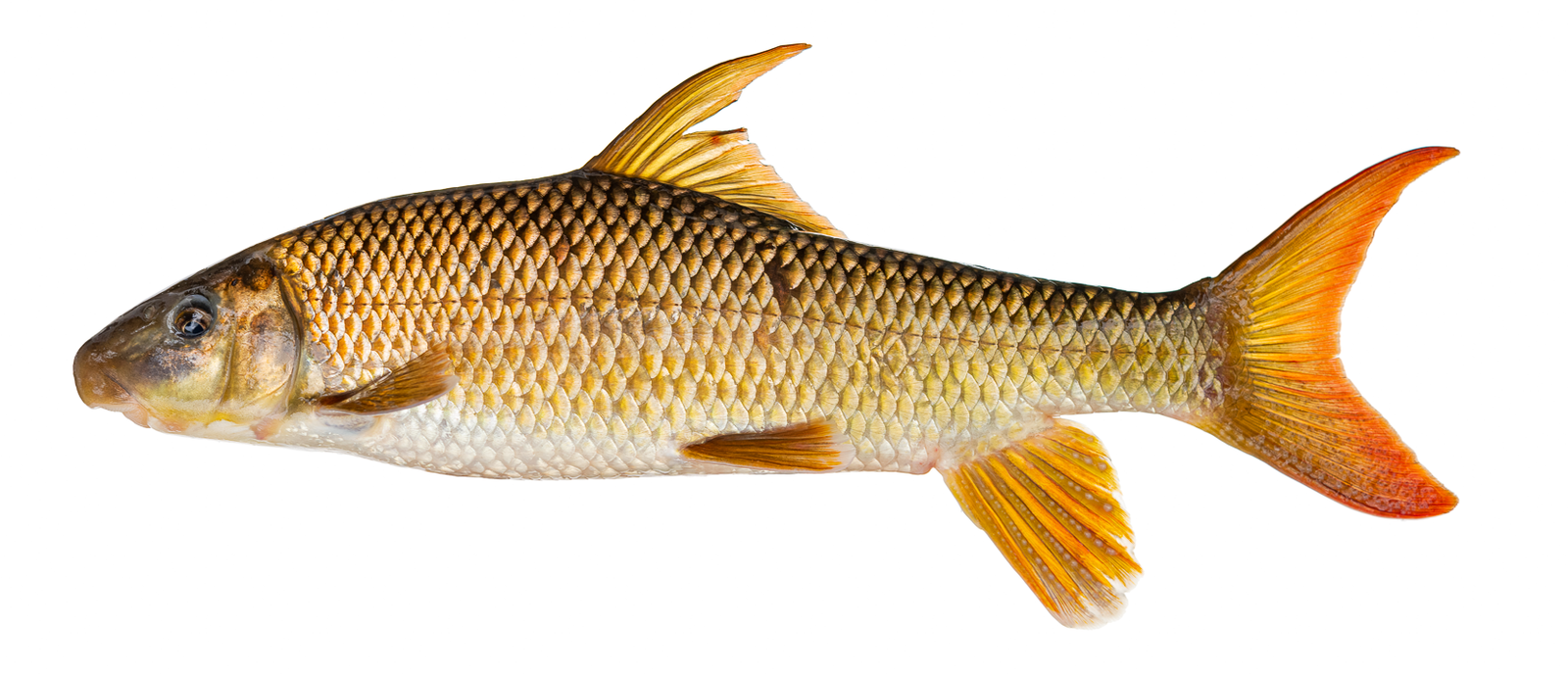
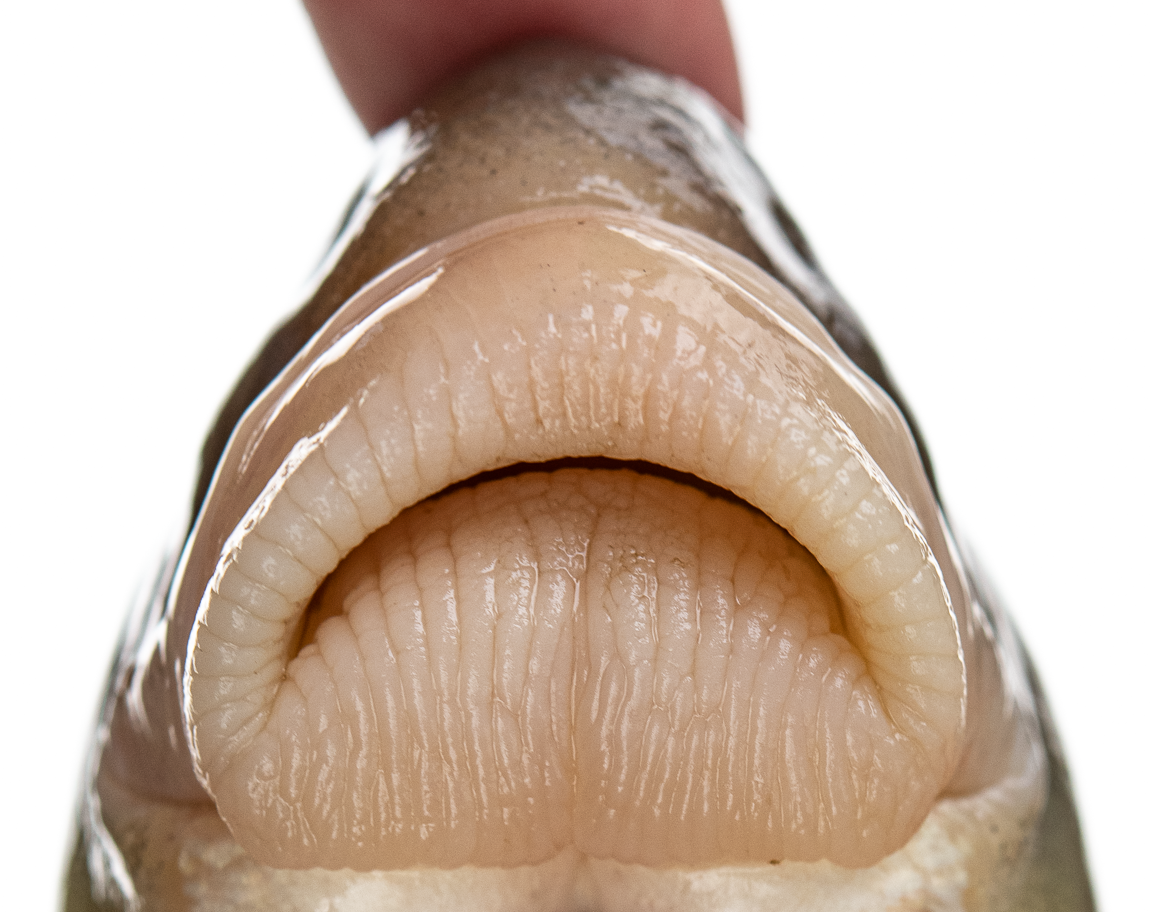
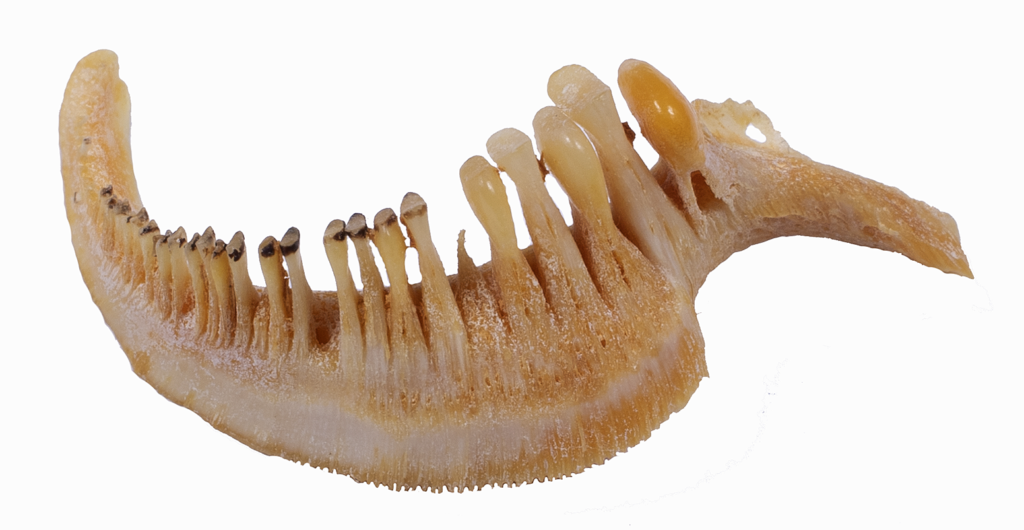
Sicklefin Redhorse, Moxostoma ugidatli. Upper lip plicate, lower lip subplicate. Full-lipped; halves of lower lip mostly fully connected medially. Posterior margin of lower lip margin truncate or nearly so. Dorsal fin very falcate, the anterior tip when appressed exceeding the posterior tip, usually markedly. Range restricted to Hiwassee and Little Tennessee basins (Jenkins et al. 2025; Tracy et al. 2024).
References:
Jenkins, R.E., S.D. Favrot, B.J. Freeman, B. Albanese and J.W. Armbruster. 2025. Description of the Sicklefin Redhorse (Catostomidae: Moxostoma). Ichthyology & Herpetology. 113 (1): 27-43. https://doi.org/10.1643/i2024049.
Tracy, B. H., F. C. Rohde, S. A. Smith, J. L. Bissette, and G. M. Hogue. 2024. A guide to North Carolina’s freshwater fishes. University of North Carolina Press, Chapel Hill, NC. https://uncpress.org/book/9781469678115/a-guide-to-north-carolinas-freshwater-fishes/.
Gallery