
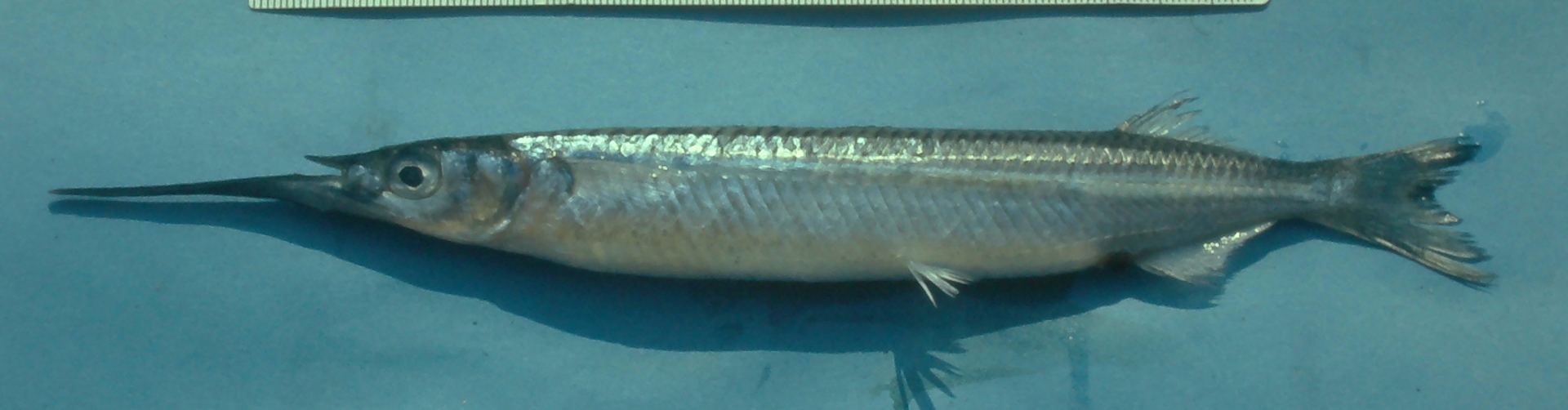
| Family | Scientific Name | Author | Year | Common Name |
| Hemiramphidae | Hyporhamphus unifasciatus | (Ranzani) | 1841 | Atlantic Silverstripe Halfbeak |
All Hyporhamphus species: Dorsal-fin soft rays 12-17; anal-fin soft rays 14-17. Pectoral fins short to moderate. Pectoral-fin soft rays 9-12. Lower jaw distinctly elongate. Total gill rakers on first arch 25-46. Pectoral-fin soft rays usually 7-12. Caudal fin emarginate or only slightly forked. Scales present on snout; preorbital ridge well developed
Hyporhamphus unifasciatus
Unique Characters: Lower jaw distinctly elongate. Total gill rakers on first arch 25-46. Pectoral-fin soft rays usually 7-12. Dorsal-fin soft rays 12-17. Pectoral fins short to moderate; pectoral-fin soft rays 9-12. Caudal fin emarginate or only slightly forked. Scales present on snout. Preorbital ridge well developed. Anal-fin soft rays usually 14-17.Total gill rakers on first arch 26-35, usually 28-32; on second arch 19-28, usually 25 or fewer. Ratio of preorbital length to orbit diameter usually less than 0.70.
Similar Species:
False Silverstripe Halfbeak Hyporhamphus meeki. Lower jaw distinctly elongate. Total gill rakers on first arch 25-46. Pectoral-fin soft rays usually 7-12. Dorsal-fin soft rays 12-17. Pectoral fins short to moderate; pectoral-fin soft rays 9-12. Caudal fin emarginate or only slightly forked. Scales present on snout. Preorbital ridge well developed. Anal-fin soft rays usually 14-17.Total gill rakers on first arch 31-40, usually 33-39; on second arch 20-30, usually 25 or more. Ratio of preorbital length to orbit diameter usually greater than 0.70.
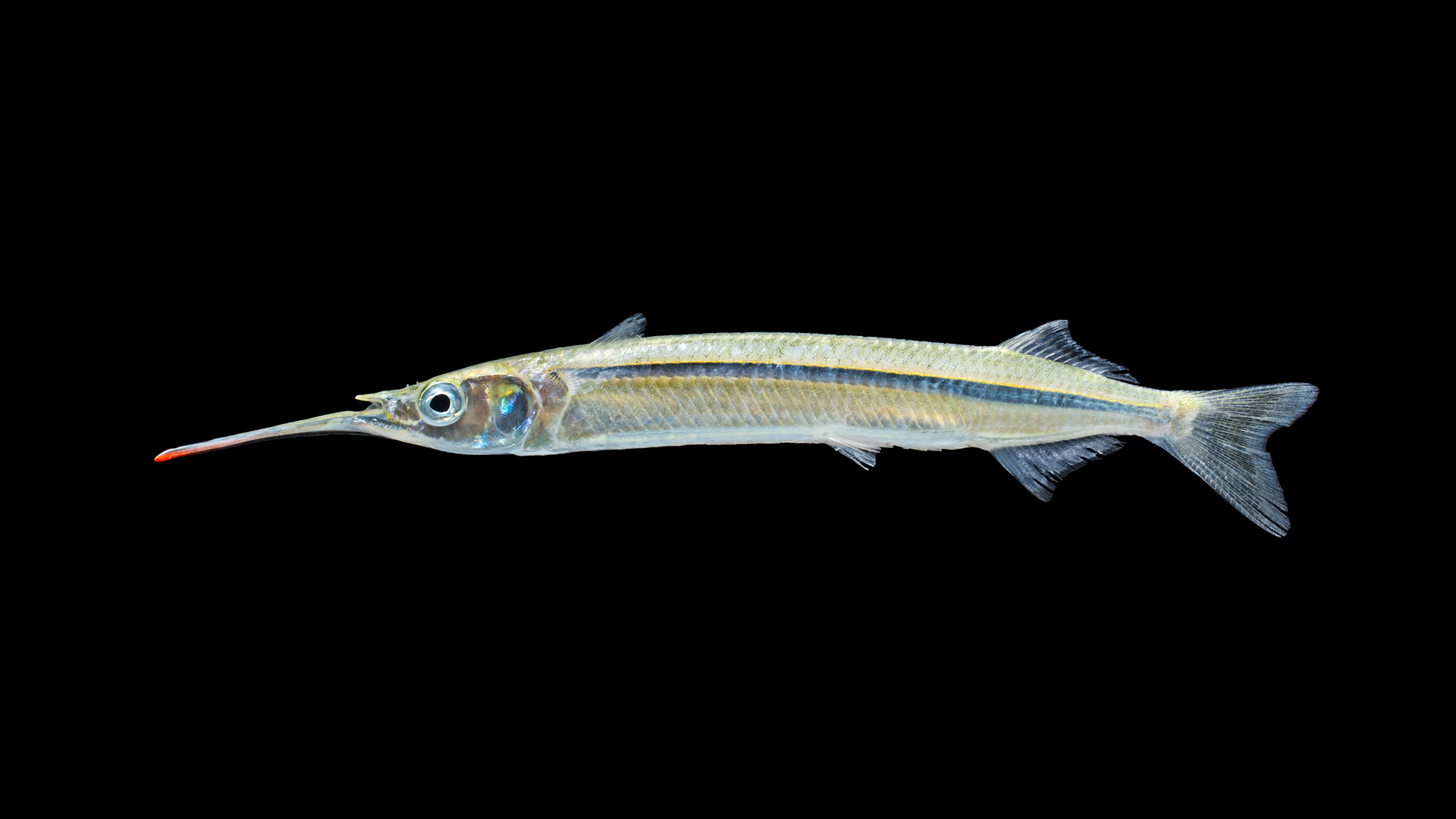
Slender Halfbeak, Hyporhamphus roberti. Scales absent from dorsal and anal fins or only a few present on anterior parts of the fins.
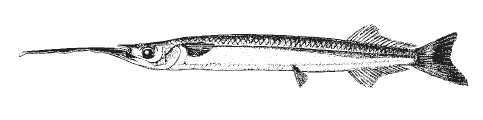
Source: FAO 2002.
Gallery